Essay · 14 · 8 min read
Custom Furniture Design: The Table Matches the Room
Why every RowUI residence includes bespoke furniture designed specifically for its site — and how the discipline of custom joinery raises the standard of the entire architecture.

Bespoke is the RowUI default
In most luxury residences, the architecture is bespoke and the furniture is catalogue. This produces a familiar failure: a magnificent room populated with recognisable objects that dilute the composition.
At RowUI every primary piece of furniture — dining table, kitchen island, master bed, primary sofa — is designed for the specific room it will occupy. This is not decoration; it is the completion of the architecture.
The atelier network
We work with a small network of ateliers across Italy, Denmark, and Japan — cabinetmakers, joiners, upholsterers, and metalworkers we have developed direct relationships with over the past six years.
Each atelier is chosen for a specific material discipline. A Milanese workshop for stone tables. A Copenhagen joinery for warm timber cabinetry. A Kyoto studio for shou-sugi-ban cladding. This is expensive and slow, and it produces work no distributor can match.
Dining tables as anchor pieces
The dining table is often the largest single object in a residence and the most photographed. A generic table undermines the room; a bespoke table completes it.
We design dining tables to a specific ceiling height, wall proportion, and lighting programme. A 4-metre table in book-matched walnut for a 12-person family; a 2.4-metre travertine slab on hidden bronze cradles for a couple. Each table is milled to a tolerance of 0.5mm and installed with the room, not delivered after.
Kitchen joinery
The kitchen is where custom joinery matters most. Standard cabinetry — even at the top of the market — introduces reveal lines, hinge shadows, and door proportions that read as manufactured.
We design every kitchen from scratch: door proportions harmonised with adjacent architecture, integrated appliance surrounds, hand-cast bronze pulls or push-latch operation, and drawer interiors as considered as the elevations. The result reads as architecture that happens to contain a kitchen, not as a kitchen dropped into a room.
Beds and bedside
The master bed and its immediate context — bedside tables, headboard, lighting — deserves the same attention as the primary living space. We design integrated headboard walls that combine reading light, USB charging, discreet storage, and acoustic treatment in a single continuous composition.
Standard-height beds and standard nightstands rarely proportion correctly against a modern master bedroom's scale. Bespoke pieces at the right dimensions transform the room.
Sofas and upholstered pieces
Upholstery is the hardest discipline to get right custom. Comfort, longevity, and cleanability all matter as much as proportion. We work with a Milanese upholstery house that has produced pieces for the same families across generations.
Every piece is designed against the specific room's proportion and lighting. A sofa two metres deep for a family that reads horizontally; a sharper 900mm-deep bench for a formal reception room. The right proportion is invisible; the wrong proportion is inescapable.
Materials as through-composition
Custom furniture allows the material palette of the architecture to continue into the furniture. The dining table matches the kitchen floor. The master bed matches the ceiling. The living room bench matches the exterior cladding.
This is the deepest form of interior coherence: not styling, but material continuity that a photograph reads as inevitable and a resident feels as calm.
Investment and time
Bespoke furniture takes twelve to eighteen months from brief to installation. It costs two to four times more than premium catalogue equivalents. Both facts are honestly disclosed at the beginning of every project.
What the client receives in exchange is a residence that is fully theirs — where no piece is duplicated in another home in the world, and where the completeness of the composition is achievable only through the discipline of designing everything at once.
Continue reading

The Evolution of Minimalist Villa Design
How the ultra-luxury villa moved from decorated maximalism to a high-performance minimalist standard — and what that transition demands of every designer, engineer, and material.
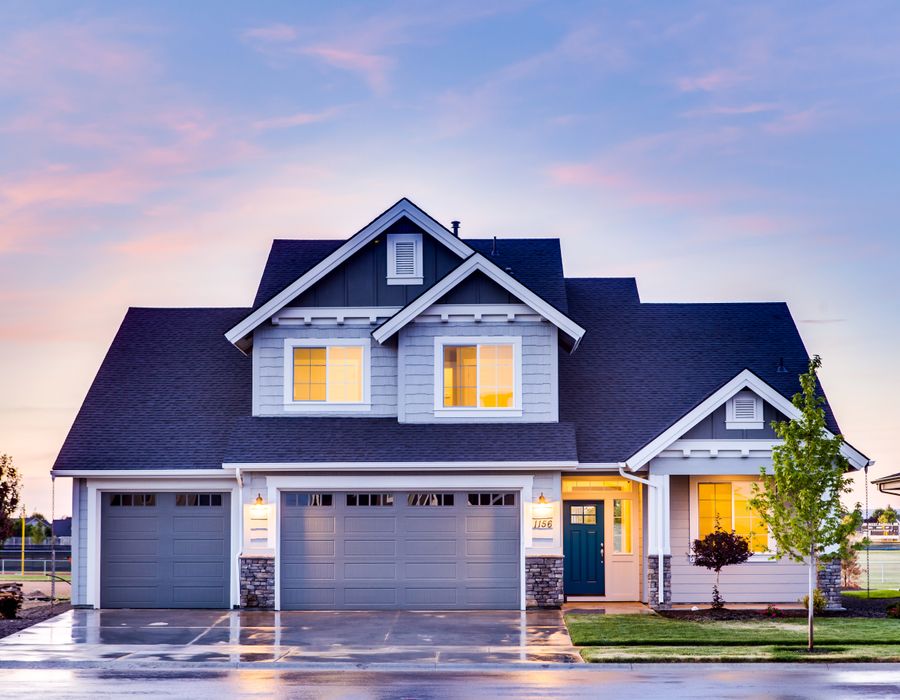
Biophilic Integration: How Nature Belongs Inside the House
Why indoor-outdoor living improves cortisol levels, sleep quality, and long-term mental health — and the architectural moves that turn a green wall from a photograph into a working ecosystem.

The Smart Home Vacuum: Why Visible Technology Is a Design Failure
The best smart home is the one you cannot see. A field guide to hiding thermostats, speakers, sensors, and screens without compromising the performance clients expect from their invisible infrastructure.