Every era leaves fingerprints on the way we build and furnish our homes, and most of us are living with those fingerprints without quite knowing it. The curved sofa in a friend's living room, the exposed concrete ceiling in a converted loft, the dark wood panelled study that feels like it belongs in an old novel, all of these trace back to specific design movements with their own logic, materials and history. Understanding these styles is not just a design history lesson. It gives homeowners a vocabulary for what they actually respond to, and a clearer sense of how to bring a bit of that character into a renovation or a single room without turning the whole house into a theme park. This guide walks through ten influential interior design eras and styles, from 1970s warmth to organic modern calm, with practical advice on how to translate each one into a home you actually live in.
1970s Interior Design
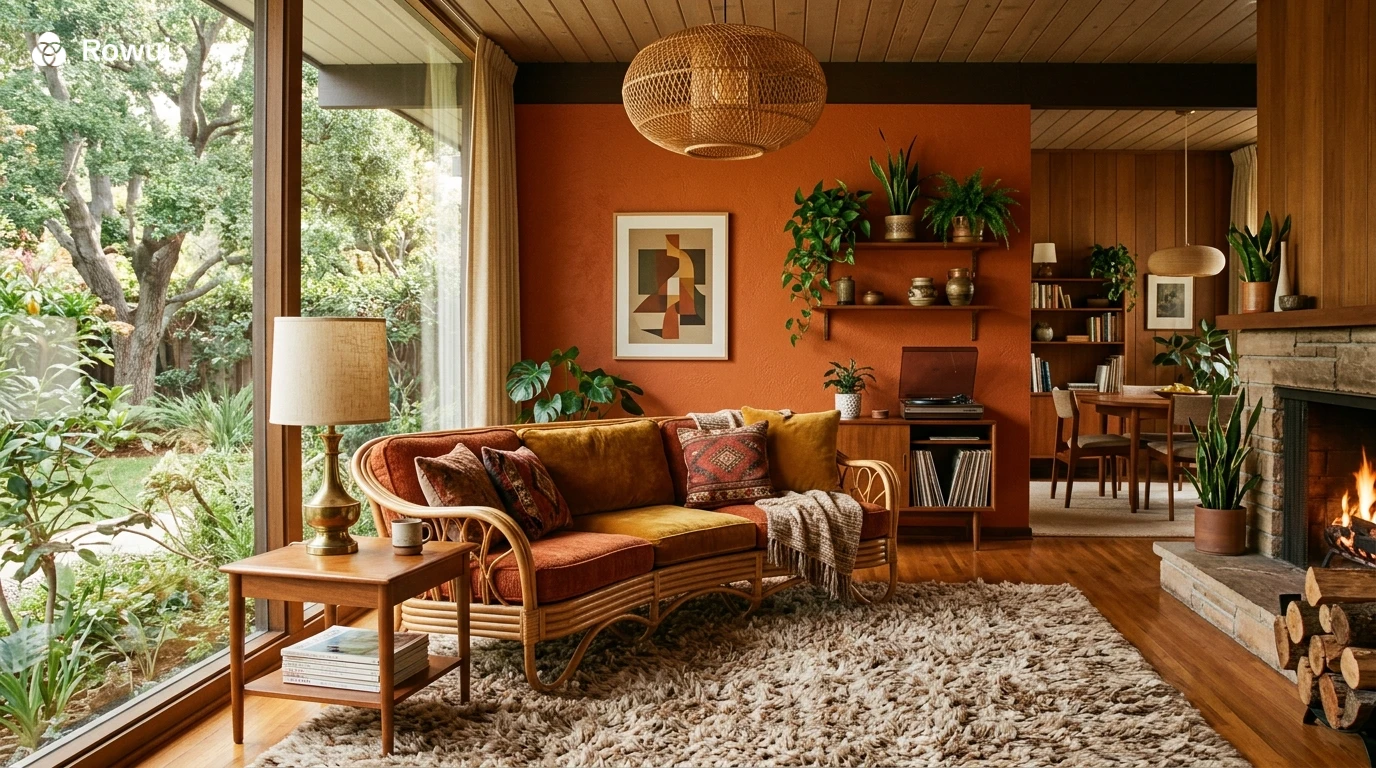
The 1970s remain one of the most requested references in interior design today, and it is easy to see why. After decades of formal, restrained interiors, the 70s embraced warmth, texture and a slightly rebellious sense of comfort. Think sunken living rooms, shag rugs, burnt orange and avocado green palettes, and furniture built low to the ground.
Materials and Colour
Architecturally, 1970s interior design leaned heavily on natural and semi natural materials, rattan, cork, teak and heavy wool textiles, combined with bold saturated colour. Walls were often panelled in warm toned wood, and lighting came from statement pendant fixtures rather than recessed downlights, which did not become common until later.
Bringing 70s Interior Design Into a Modern Home
You do not need shag carpet wall to wall to capture this era. A single burnt orange or mustard accent wall, a rattan pendant light over a dining table, or a cluster of low slung, deep seated furniture in a living room brings genuine 1970s interior design warmth without feeling like a costume. Pair it with a neutral base of white walls and timber flooring so the boldness reads as intentional rather than overwhelming.
1980s Interior Design
Where the 70s were earthy, the 1980s were confident, glossy and unapologetically maximal. 80s interior design is defined by bold geometric patterns, high gloss lacquered furniture, chrome and brass fixtures, and a willingness to mix colour in ways that would make a minimalist nervous.
Key Architectural Features
Postmodern architecture heavily influenced 1980s interiors, bringing playful columns, arched openings and unexpected colour blocking into homes that had previously favoured plain drywall boxes. Mirrored walls, glass block partitions and track lighting were signature features, often used to make smaller rooms feel larger and more theatrical.
Using 80s Interior Design Ideas Today
A tasteful nod to this era might mean a glass block window in a bathroom, a brass and glass coffee table, or a single wall finished in a bold geometric wallpaper. The trick with 80s interior design is restraint, one or two confident gestures against a calmer backdrop reads as stylish, while too many at once can tip into pastiche.
Brutalist Interior Design
Brutalist interior design takes its name and its attitude from Brutalist architecture, the raw concrete civic buildings of the mid twentieth century. Inside a home, this translates into exposed concrete surfaces, minimal ornamentation, and a deep respect for material honesty, meaning materials are shown as what they are rather than disguised.
Why Brutalist Interiors Feel Different
The defining architectural quality of brutalist interior design is mass and texture. Poured concrete walls or floors have a weight and coolness to them that softer finishes do not. Furniture in this style tends to be sculptural and geometric, often in dark timber, black steel or raw stone, with almost no applied decoration.
Softening Brutalism for Everyday Living
Full concrete interiors are rarely practical for a renovation, but the aesthetic translates well through microcement flooring, a polished concrete kitchen island, or a single feature wall finished in raw plaster. Balance the coolness with warm lighting and one or two natural textiles, a wool throw or linen curtains, so the room feels considered rather than cold. 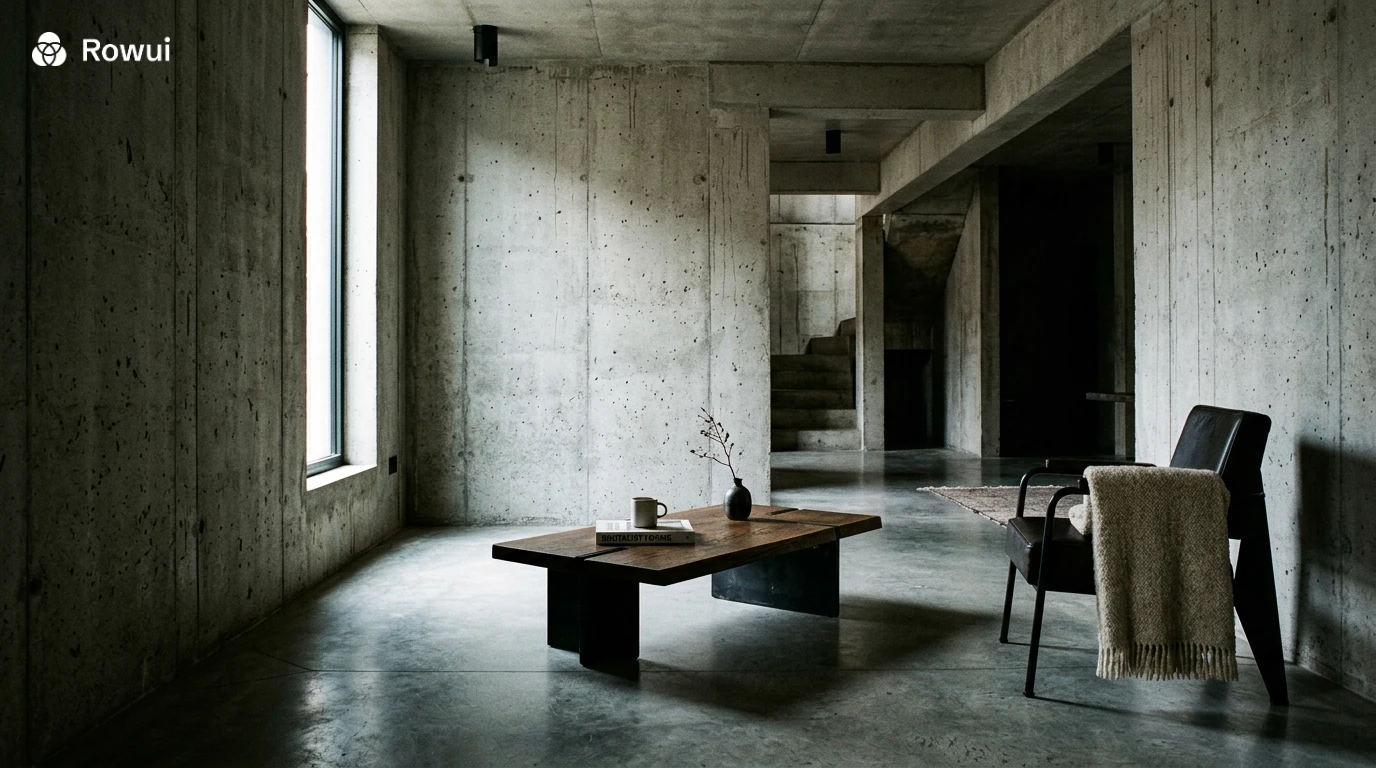
Bauhaus Interior Design
Bauhaus interior design comes from the influential German design school of the 1920s, and its core idea still shapes modern homes today, that form should follow function and beauty should come from honest proportion rather than decoration.
The Architectural Principles Behind Bauhaus
Bauhaus spaces favour clean geometric shapes, primary colours used sparingly as accents, and furniture designed around structural clarity, think tubular steel chairs and simple, functional shelving. Windows tend to be large and unadorned, prioritising light over drapery, and floor plans are typically open and efficient.
Applying Bauhaus Ideas at Home
A Bauhaus inspired room does not need to look like a museum. Choose furniture with clear structural logic rather than heavy ornamentation, keep the colour palette mostly neutral with one primary colour accent, perhaps a red chair or a yellow shelving unit, and let the architecture of the room, its proportions and light, do most of the visual work.
Mediterranean Interior Design
Mediterranean interior design draws from the coastal homes of southern Europe and North Africa, and it remains one of the most searched and best loved interior styles because it promises something specific, a home that feels sun warmed and relaxed even in a cold climate.
Materials, Texture and Colour
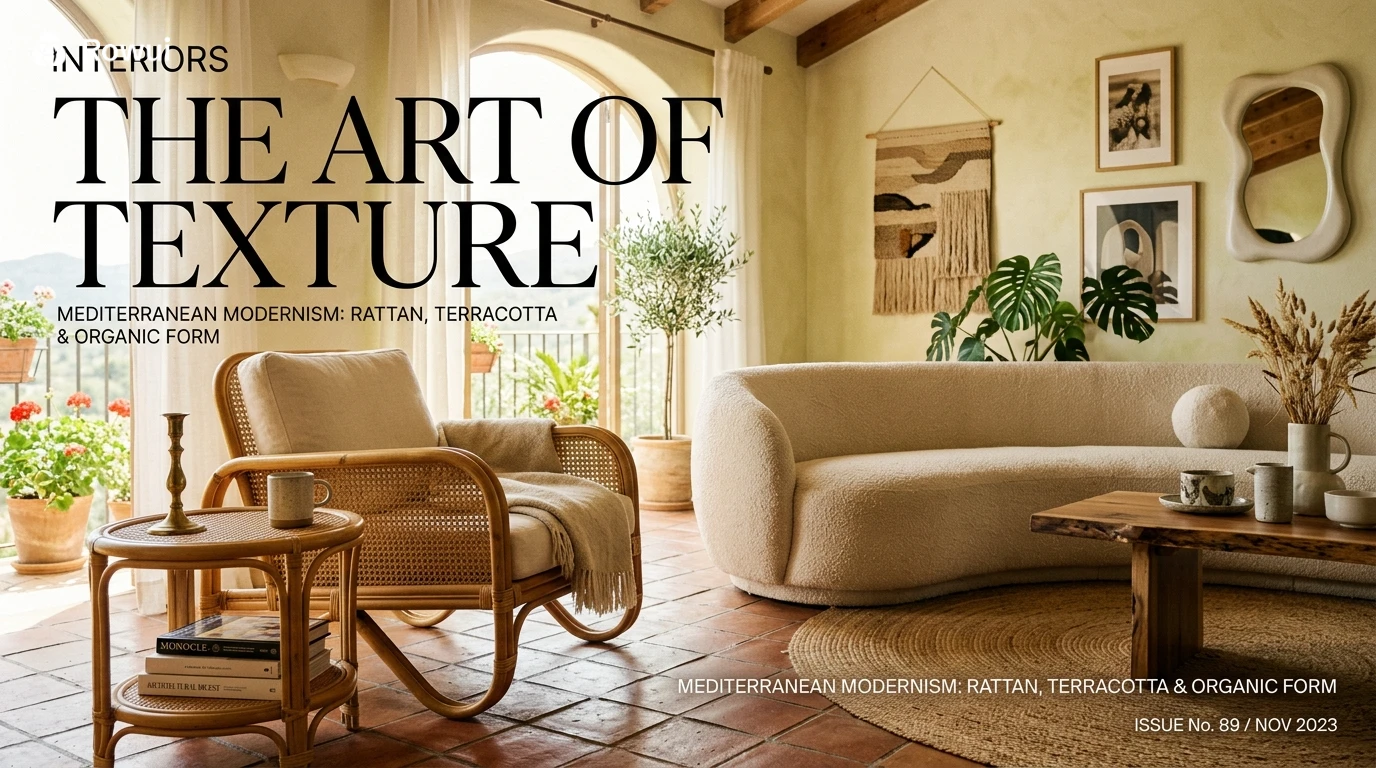
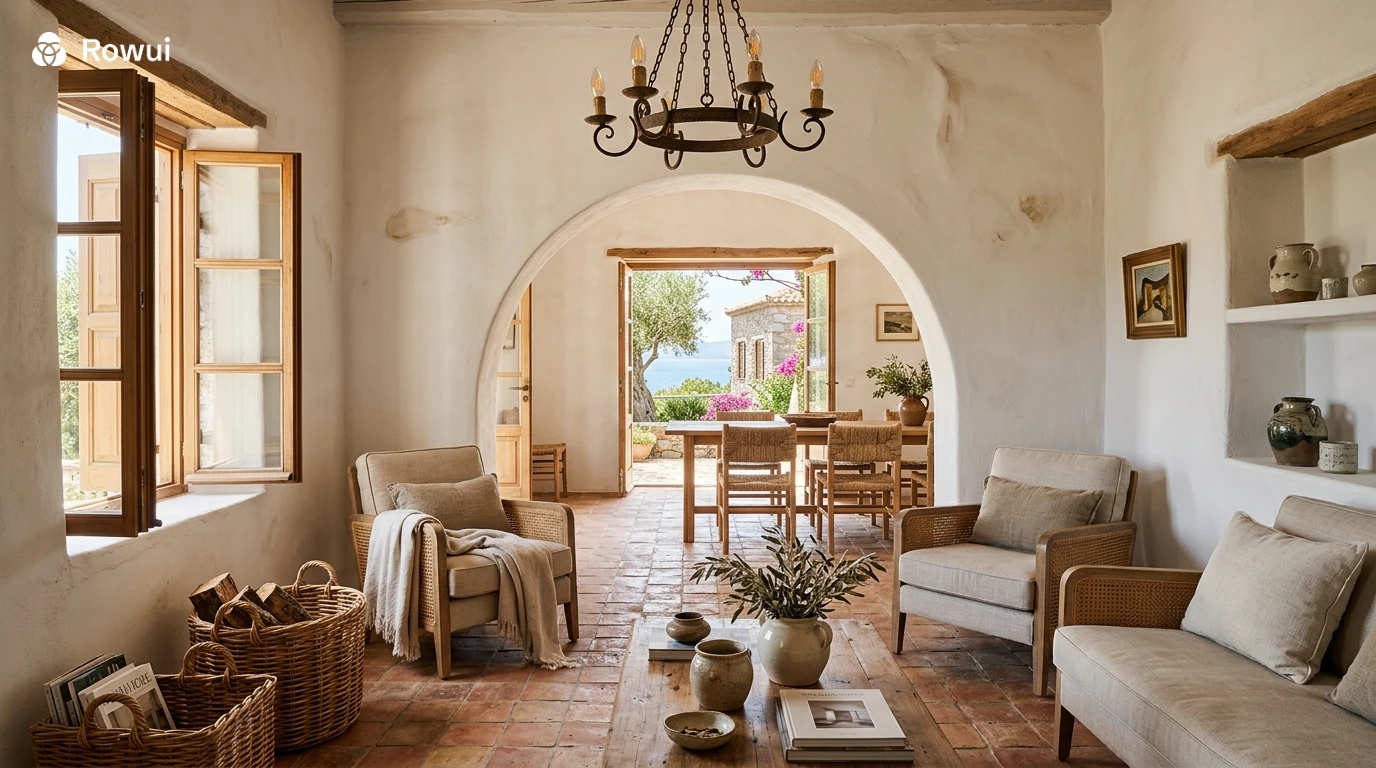
Terracotta tile flooring, whitewashed or lime plastered walls, wrought iron fixtures and heavy timber beams define the architectural bones of this style. Colour palettes lean into ochre, terracotta, deep blue and olive green, often set against bright white walls that reflect natural light throughout the day.
Bringing Mediterranean Warmth Into Any Home
Even in a climate far from the Mediterranean, you can borrow its logic. Arched doorways or mirrors, terracotta pots and tiles, woven rattan light fixtures, and a lime washed feature wall all bring genuine Mediterranean interior design character. Keep window treatments minimal, sheer linen rather than heavy drapery, to preserve the airy, sun filled quality that defines the style.
English Cottage Interior Design
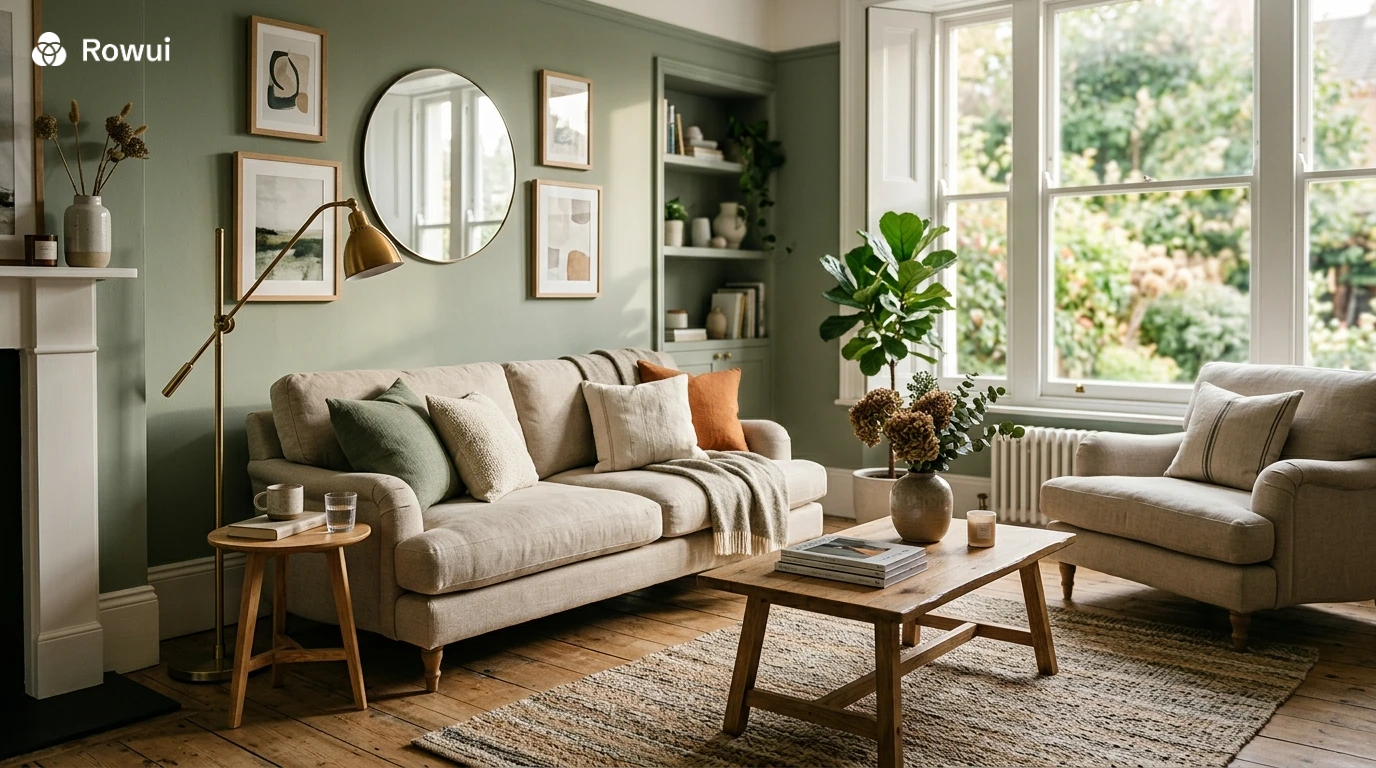
English cottage interior design, sometimes simply called cottage interior design, draws on centuries of rural British domestic architecture, low ceilings, small paned windows and a sense of gathered, lived in comfort built up over generations rather than decorated in one go.
What Defines a Cottage Interior
Exposed timber beams, deep window seats, floral or checked textiles, and a mix of antique and inherited furniture all characterise this style architecturally. Fireplaces are often the visual anchor of a room, typically built from stone or brick with a simple timber mantel above.
Creating Cottage Charm Without Clutter
The modern challenge with cottage interior design is avoiding visual chaos. Choose one or two patterned textiles rather than five competing prints, let exposed beams or an original fireplace remain the architectural focal point, and furnish with pieces that show some age or patina rather than uniformly new furniture, which reads as sterile against this style's warmth.
Dark Academia Interior Design
Dark academia interior design borrows its mood from old university libraries and study halls, deep wood panelling, layered bookshelves, and lighting kept intentionally low and warm rather than bright and even.
The Architectural Mood
This style relies heavily on materials that absorb rather than reflect light, dark stained timber, leather upholstery, and heavy curtains in deep jewel tones or burgundy. Built in bookshelves are almost a signature feature, often extending floor to ceiling to reinforce the sense of a considered, intellectual space.
How to Achieve the Look Realistically
You do not need a full library to capture dark academia interior design. A dark painted study or reading nook, warm brass reading lamps rather than overhead lighting, and a wall of shelving filled with real, well loved books will do more than any single piece of furniture. Keep the palette to two or three deep tones so the room feels moody rather than heavy. 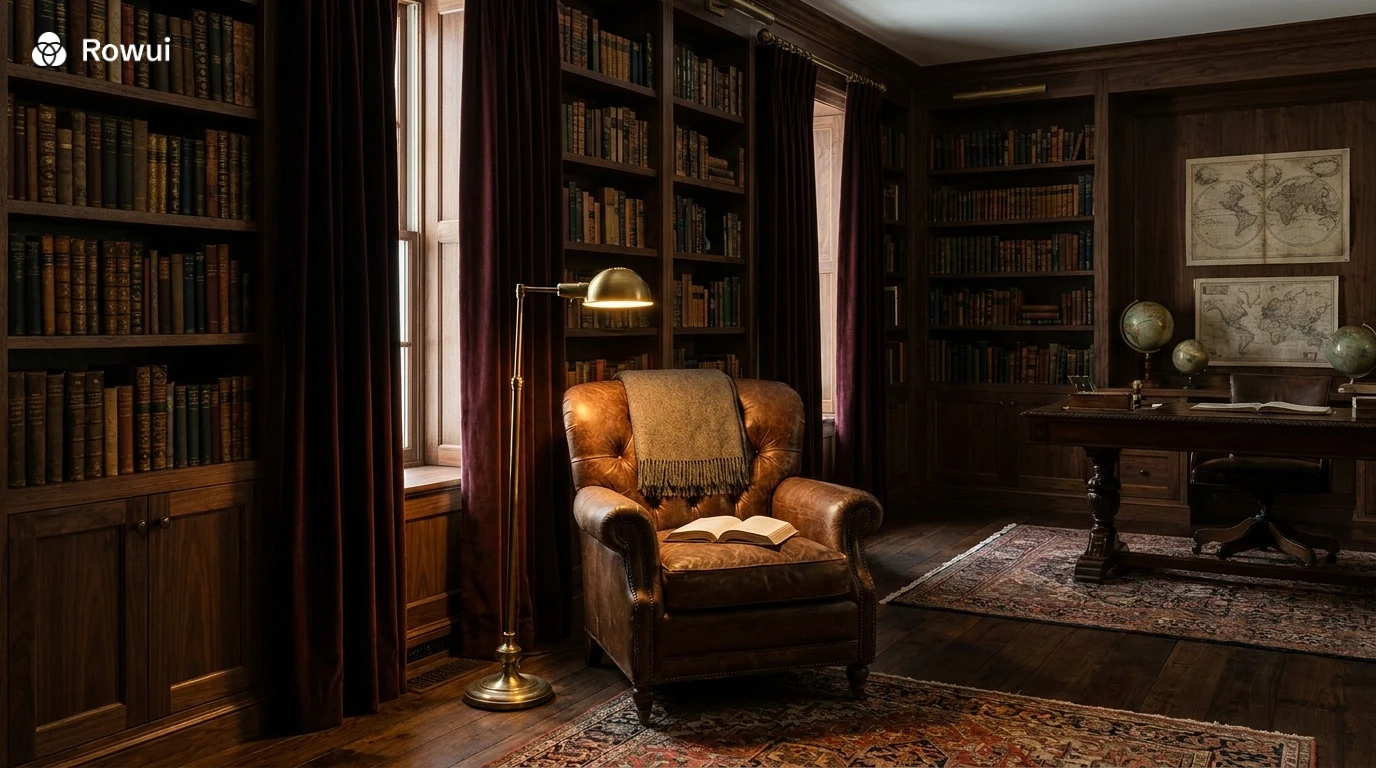
Craftsman Interior Design
Craftsman interior design grew out of the early twentieth century Arts and Crafts movement, a reaction against mass produced, machine made furniture in favour of visible handcraft, solid materials and honest construction.
Recognising Craftsman Architecture Indoors
Built in cabinetry, exposed joinery, wide trim work and warm stained timber are the architectural signatures of this style. Colour palettes stay earthy, browns, greens and muted reds, and lighting fixtures often feature stained glass or mica shades that cast a warm, amber glow rather than a bright white one.
Introducing Craftsman Details Into a Renovation
Adding a built in window seat with storage beneath, choosing wide, simple timber trim over thin modern skirting, or selecting cabinet hardware in hammered or aged brass all bring authentic craftsman interior design character to a renovation without requiring a full period restoration.
Organic Modern Interior Design
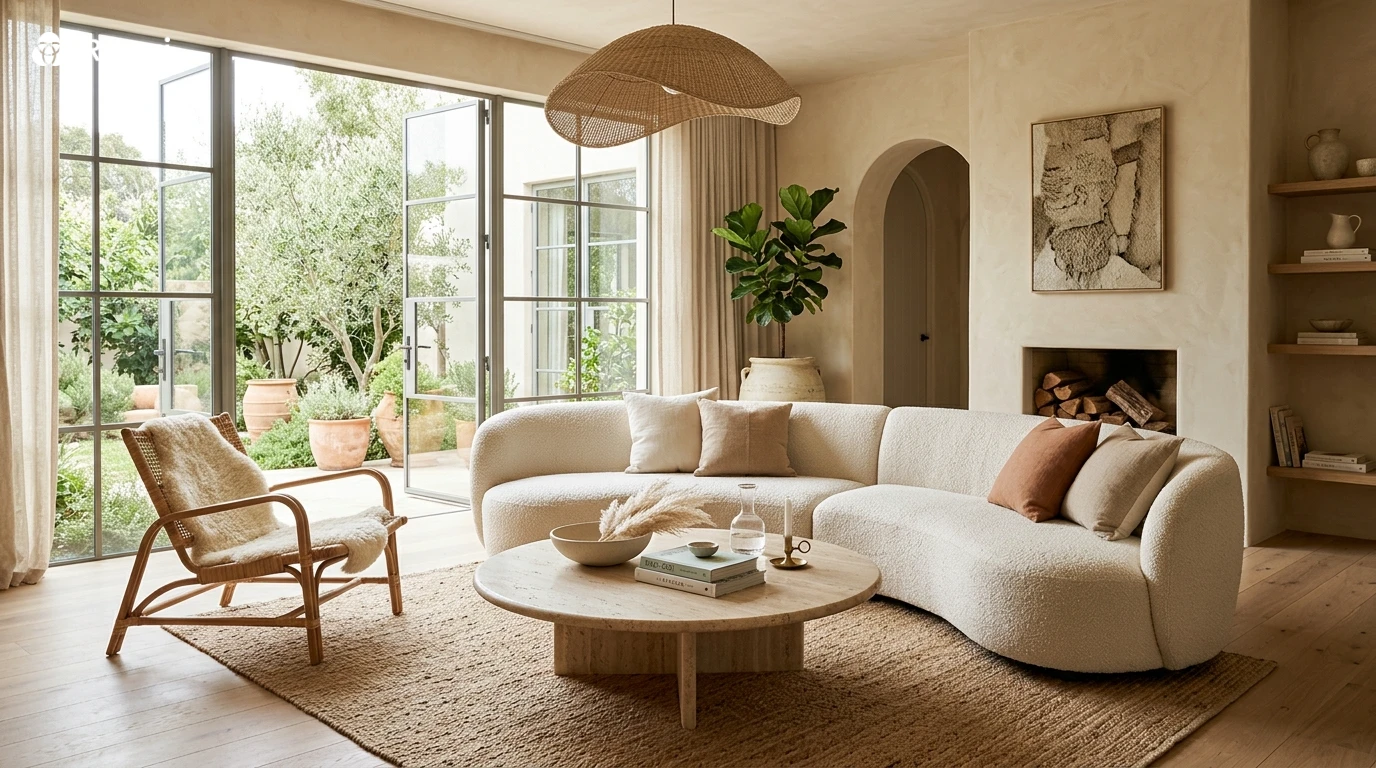
Organic modern interior design has become one of the most popular styles in recent years, and for good reason, it combines the clean lines of modernism with the warmth and texture of natural materials, avoiding both cold minimalism and cluttered maximalism.
The Balance This Style Strikes
Architecturally, organic modern interiors favour curved forms, natural stone, light timber and plaster walls, all kept within a restrained, mostly neutral colour palette. Furniture tends to have soft, rounded edges rather than sharp geometry, and greenery is used generously to bring life and texture into otherwise simple rooms.
How to Design an Organic Modern Space
Start with a neutral base, white or warm plaster walls and light timber flooring, then layer in curved furniture silhouettes, a round coffee table or a curved sofa, along with natural textures like linen, boucle and rattan. Keep ornamentation minimal so the materials themselves carry the visual interest.
Modern Rustic Interior Design
Modern rustic interior design bridges the gap between rugged, natural materials and clean, contemporary architecture. It is particularly popular in renovated farmhouses and mountain homes, where the goal is warmth and texture without feeling dated or overly themed.
Key Materials and Architectural Choices
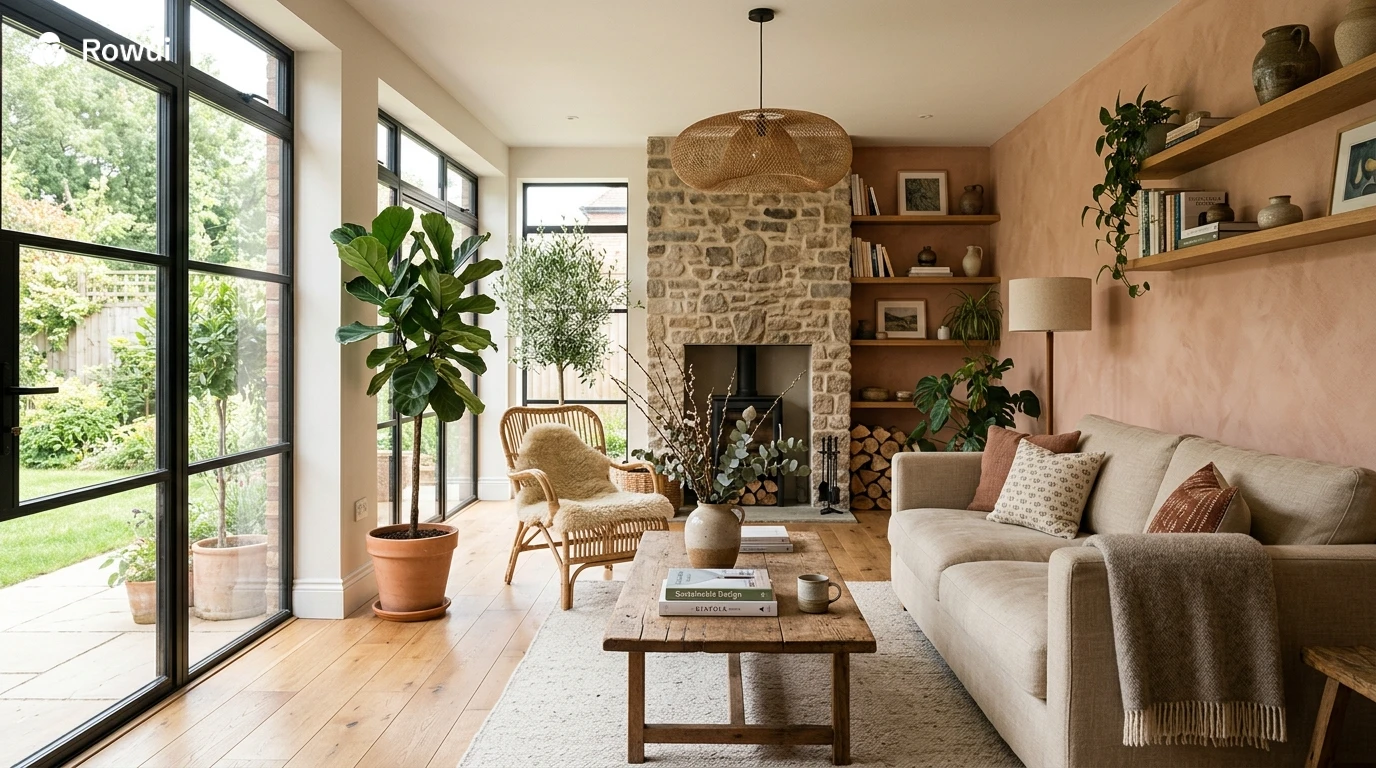
Reclaimed and rough sawn timber, black metal fixtures, stone fireplaces and simple, unfussy furniture forms define this style. Ceilings are often left with exposed structural beams, and walls favour a mix of white plaster and natural wood rather than heavy patterned wallpaper.
Making Modern Rustic Work in Any Home
A black framed steel and glass door, a reclaimed timber dining table paired with simple upholstered chairs, or a stone clad fireplace wall in an otherwise minimal living room all achieve genuine modern rustic interior design without requiring a full farmhouse renovation. The key is pairing raw materials with clean, uncluttered forms so the rustic elements read as intentional rather than accidental.
Choosing the Right Era for Your Home
None of these styles need to be adopted wholesale. Most successful interiors borrow selectively, a Bauhaus inspired chair here, a craftsman built in there, a Mediterranean arch framing a single doorway. What matters architecturally is consistency of logic, choosing materials and proportions that genuinely relate to each other rather than mixing styles at random. Look at your home's existing architecture first, its ceiling height, window proportions, natural light, and let that guide which era will feel authentic rather than forced.
Conclusion
Interior design eras endure because each one solved a particular problem, warmth after austerity, honesty after ornamentation, comfort after formality, and each still has something useful to offer a home today. The practical takeaway is to treat these styles as a toolkit rather than a costume. Borrow the materials, proportions and lighting logic that genuinely suit your space and your life, and let the rest go. A home built this way will feel considered and personal, not like a recreation of someone else's decade.