Walk into a home built with sustainability in mind and you notice it before you can explain why. The light feels softer, the materials feel warmer underfoot, and nothing about the space seems to be trying too hard. That quiet confidence is not an accident. It is the result of architectural decisions made long before the furniture arrived, decisions about materials, light, proportion and longevity that most homeowners never realise are part of good design. Sustainable interior design is often mistaken for a style, something involving beige linen and potted plants, but it is really a set of principles about how a home is built, finished and lived in over decades rather than seasons.
For homeowners renovating a tired room or building from scratch, understanding these principles changes the kinds of questions you ask your architect or designer. Instead of only asking what a space will look like, you start asking what it is made of, where those materials came from, and how the room will age. This article walks through the architectural thinking behind interior design with sustainable materials, from natural finishes and reclaimed timber to lighting and long term durability, with practical guidance you can actually use.
What Sustainable Interior Design Really Means in Architecture
In architectural terms, sustainable interior design is not a decorating trend. It is a design philosophy that considers the full life of a material and a space, from where it is sourced to how it performs, ages and eventually gets replaced or reused. A sustainably designed interior reduces embodied carbon, avoids toxic finishes, uses energy efficiently and is built to last rather than to be replaced in five years.
This matters more than most people realise. The interior of a home, its floors, walls, cabinetry and fixtures, accounts for a significant share of a building's overall environmental footprint, sometimes more than the structural shell itself. Every laminate countertop, synthetic carpet and cheap veneer cabinet has a manufacturing and disposal cost that most homeowners never see, but they experience its effects in the form of off gassing, poor indoor air quality and materials that dull or fail within a decade.
Why This Approach Changes How a Home Feels
Sustainable interiors tend to have a distinct sensory quality. Natural materials like timber, stone, clay and wool absorb and reflect light differently than synthetic ones, which is part of why these rooms feel calmer. Wood breathes and slightly regulates humidity. Natural fibre textiles feel different against skin than polyester blends. None of this is decorative theory, it is physical material science, and it directly shapes how a room feels to sit in every single day. 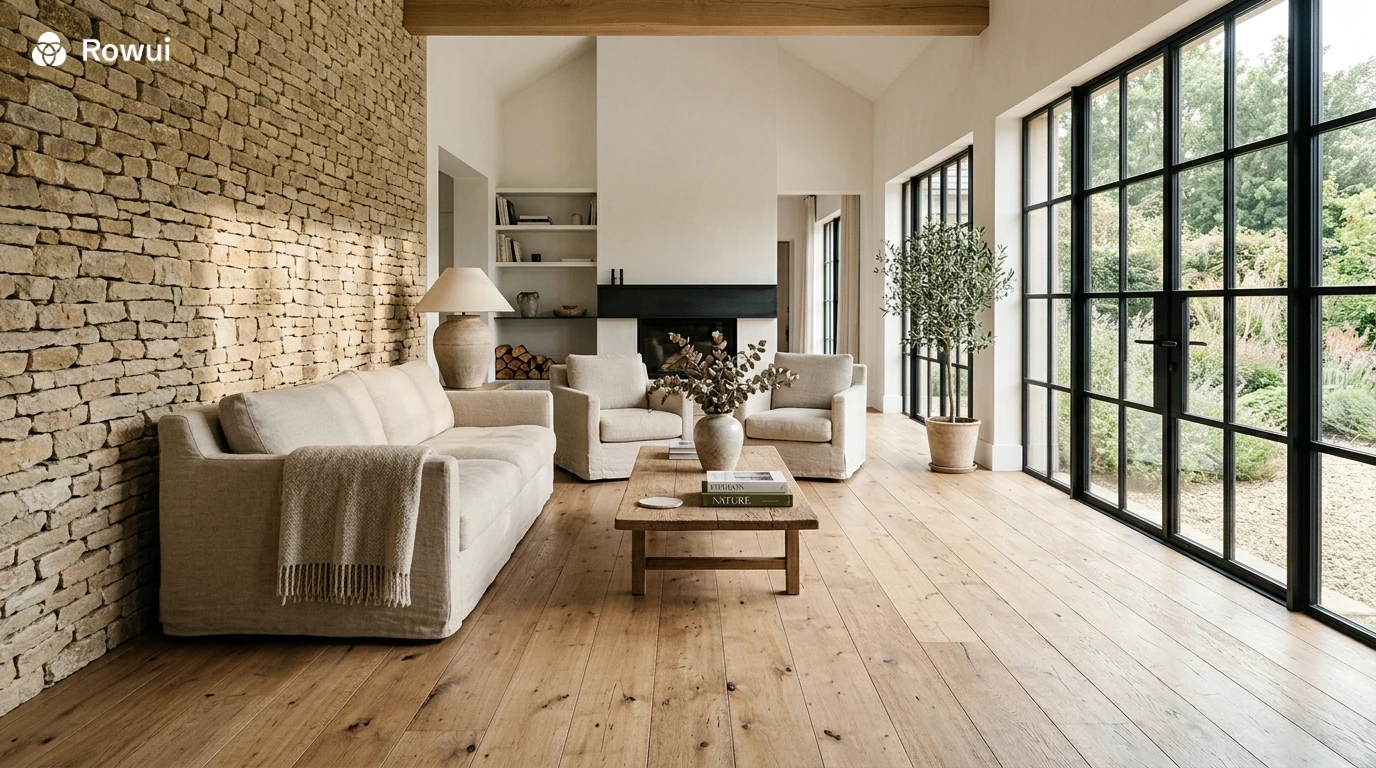
Building With Natural Materials
Natural materials are the backbone of interior design with sustainable materials, but choosing them well requires understanding their architectural role, not just their appearance.
Timber, Stone and Clay as Structural and Finish Materials
Solid timber flooring, whether oak, ash or a durable local species, ages by developing character rather than deteriorating. A scratch on solid wood can be sanded out. A scratch on laminate is permanent. This durability is a core sustainability argument, because a material that lasts thirty years without replacement has a far lower lifetime footprint than one replaced every five.
Stone, whether used as flooring, a kitchen island or a bathroom surface, brings thermal mass into a room, meaning it absorbs heat during the day and releases it slowly, which can genuinely reduce heating and cooling loads in the right climate. Locally quarried stone reduces transport emissions and often blends more naturally with the surrounding landscape than imported marble, which also tends to be more expensive both financially and environmentally.
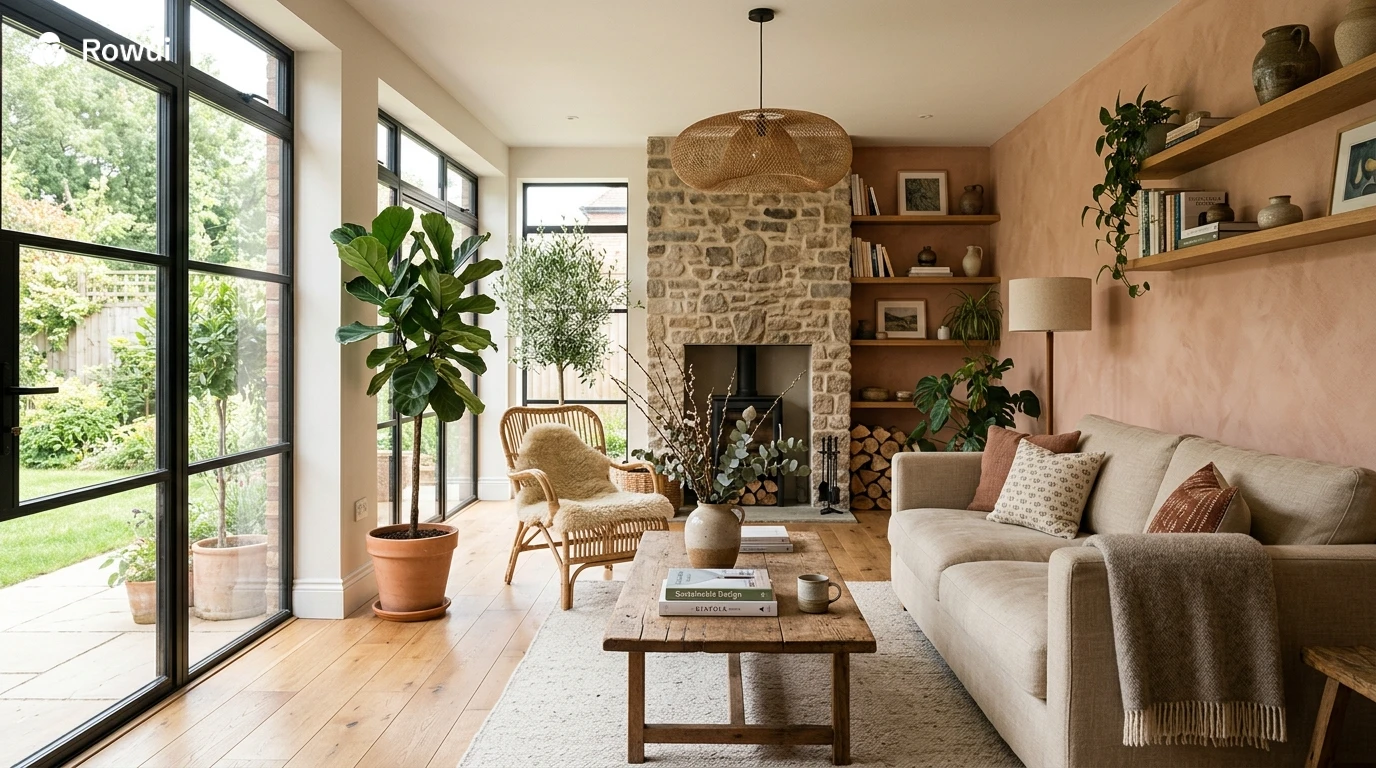
Clay plaster walls, increasingly popular in renovation projects, regulate humidity, have no synthetic binders and create a soft, matte texture that plasterboard simply cannot replicate. They are more labour intensive to apply, but for a feature wall or a bedroom where air quality matters most, the investment is often worth it.
Practical Ways to Introduce Natural Materials
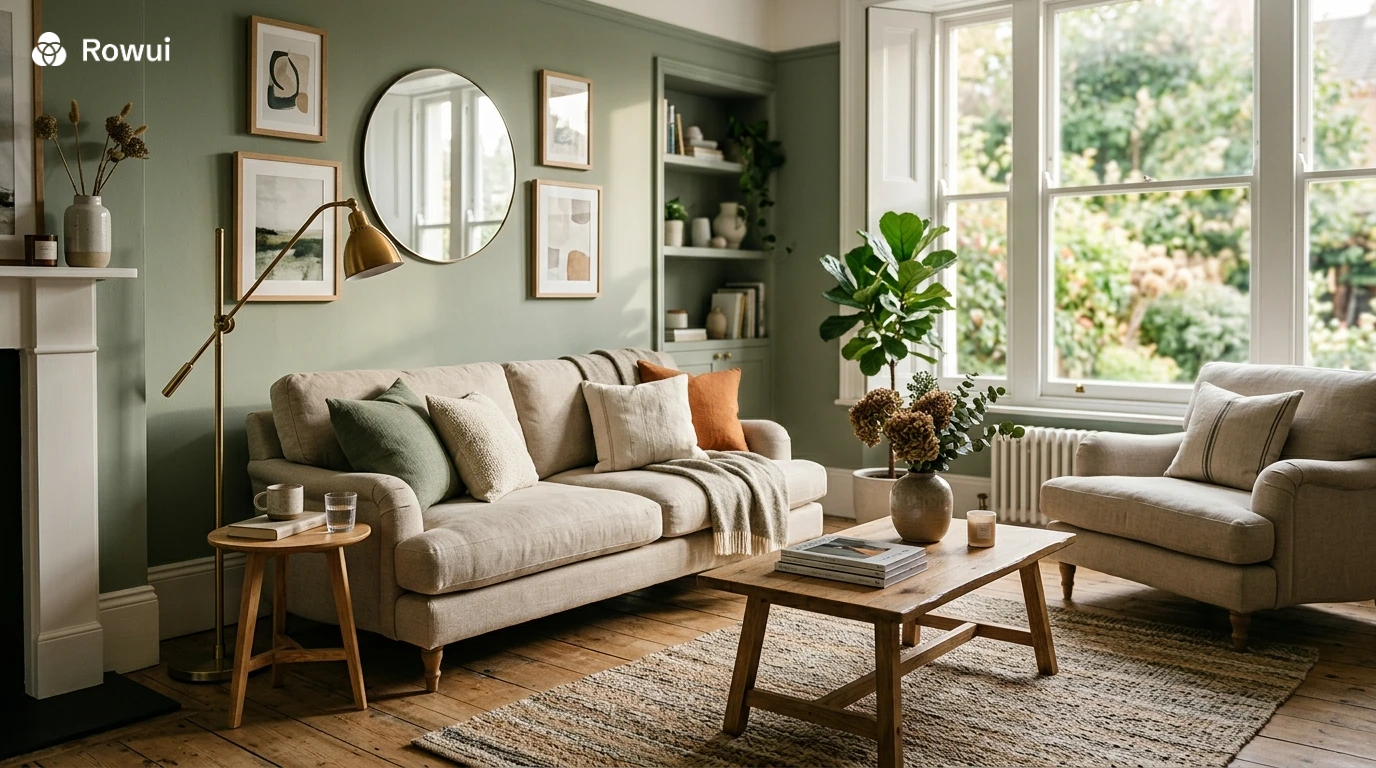
You do not need to rebuild a house to bring these principles in. Replacing a synthetic rug with one in wool or jute changes the tactile quality of a room immediately. Swapping laminate cabinet fronts for solid timber or a durable veneer over FSC certified plywood improves both appearance and longevity. Even small interventions, like a stone bathroom vanity top instead of engineered composite, add architectural weight to a space.
Reclaimed Timber and Recycled Materials
Reclaimed timber has become something of a signature material in sustainable architecture, and for good reason. Old growth timber salvaged from barns, factories or demolished buildings is often denser and more stable than newly farmed wood, because it grew slowly over decades. Using it in flooring, beams or furniture is not just an aesthetic choice referencing rustic charm, it is a practical way to access high quality material without cutting new trees.
Where Reclaimed Timber Works Best Architecturally
Exposed ceiling beams, feature staircases and statement dining tables are ideal places for reclaimed timber because they are seen and touched often, and their imperfections, nail holes, weathering, colour variation, read as intentional rather than accidental. Using reclaimed wood for structural elements requires an engineer to verify load capacity, since old timber can have hidden splits or insect damage, so this is not a place to skip professional inspection.
Recycled Materials Beyond Wood
Recycled materials extend well beyond timber. Terrazzo made from crushed stone offcuts, glass tile made from recycled bottles, and metal fixtures made from reclaimed brass or steel all reduce demand for virgin material extraction. Recycled glass countertops in particular have matured as a product, now available in finishes durable and attractive enough to rival quartz, while diverting waste glass from landfill. 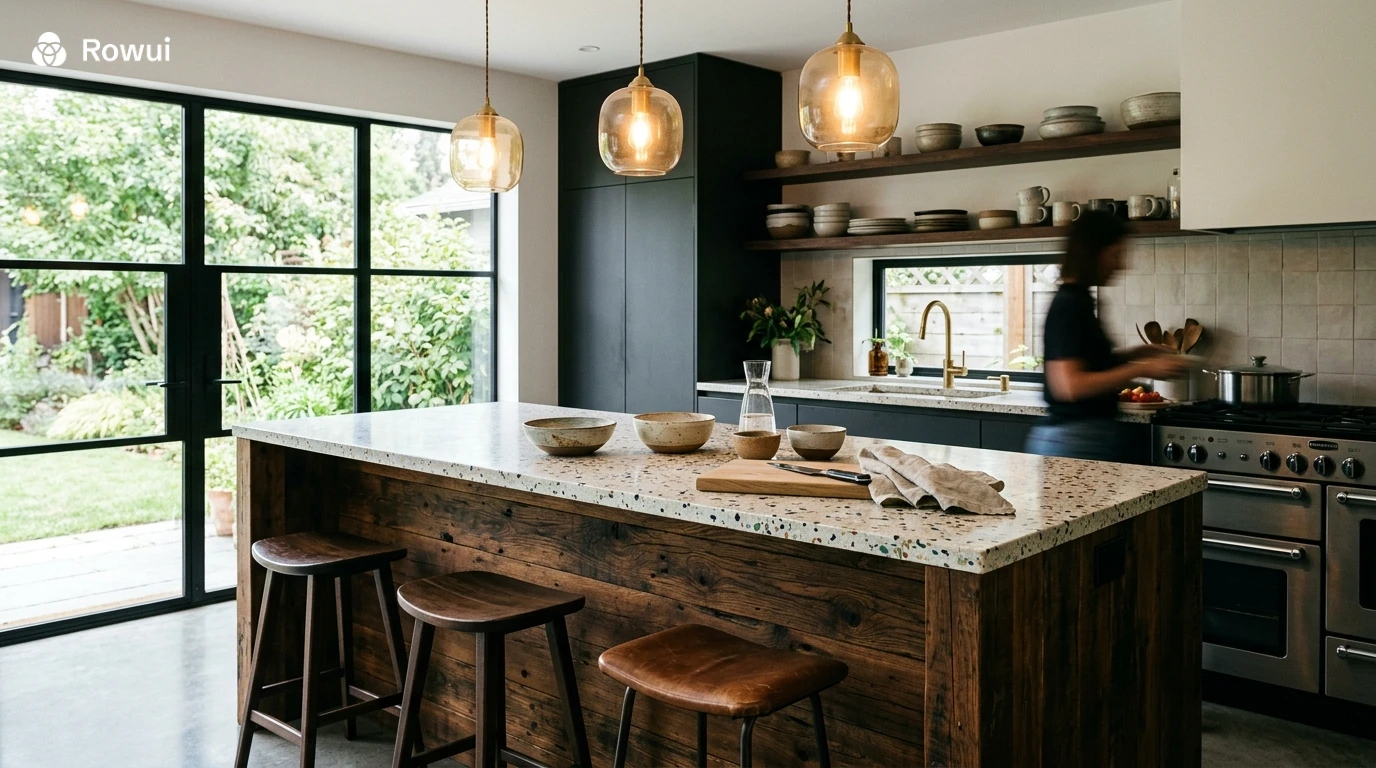
Low Impact Finishes and Indoor Air Quality
Finishes are the least visible but most consequential layer of sustainable interior design. Paint, sealants, adhesives and varnishes release volatile organic compounds, or VOCs, into indoor air, sometimes for years after application. This is one of the most overlooked architectural health issues in modern homes.
Choosing Paints and Sealants That Do Less Harm
Low VOC and zero VOC paints have improved dramatically in coverage and colour range over the past decade, so there is no longer a real trade off between choosing a healthier paint and getting the finish you want. Mineral based paints, such as limewash or silicate paint, bond directly with plaster or masonry walls rather than sitting on top as a film, which allows walls to breathe and often produces a soft, chalky depth of colour that flat synthetic paint cannot match.
For timber floors and furniture, natural oil finishes such as tung oil or hardwax oil penetrate the wood rather than coating it, so the surface can be spot repaired rather than fully refinished when it wears. This is both a sustainability advantage and a practical one for busy households with children or pets.
Adhesives and Hidden Materials
What is often ignored is the adhesive holding flooring, tiles and cabinetry together. Conventional construction adhesives and particleboard cores can off gas formaldehyde for years. Specifying formaldehyde free plywood and low VOC adhesives during a renovation costs relatively little extra but significantly improves indoor air quality, something worth discussing directly with your contractor rather than assuming it is standard practice.
Energy Efficient Lighting as an Architectural Tool
Lighting is one of the most powerful and most underused tools in sustainable interior design. Good lighting design reduces energy consumption while also making a home feel more spacious, more comfortable and more considered.
Layering Light Instead of Relying on One Source
A single central ceiling fixture forces a room into flat, even brightness that flatters nothing. Architecturally, rooms read better with layered light: ambient light for general illumination, task light for reading or cooking, and accent light to highlight texture, such as a stone wall or a piece of reclaimed timber furniture. LED fixtures now allow this layering at a fraction of the energy cost of older halogen systems, often using ten to twenty percent of the electricity for equivalent brightness.
Daylight as the First Lighting Strategy
Before adding fixtures, good architecture maximises daylight, since natural light is both free and the most flattering light source there is. Positioning mirrors opposite windows, choosing sheer rather than heavy curtains, and keeping window sills clear all increase how much daylight actually reaches into a room. In renovation projects, enlarging a single window or adding a skylight over a stairwell can dramatically reduce daytime reliance on artificial lighting. 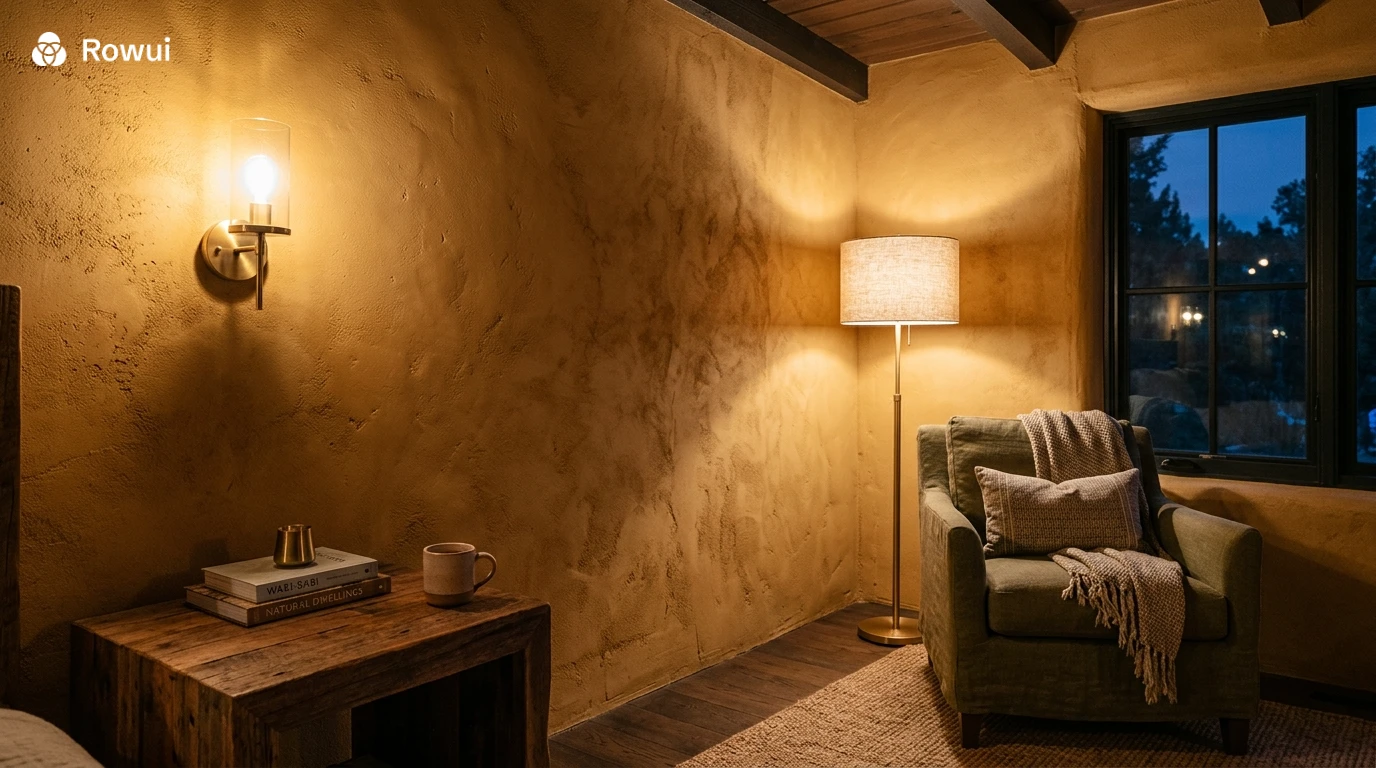
Designing for Durability and Timeless Interiors
The most sustainable material is the one that never needs to be replaced. Durability is an architectural value as much as an environmental one, and it works directly against the disposable furniture culture that fills landfills with particleboard and polyester upholstery every year.
Choosing Furniture and Finishes That Age Well
Solid wood furniture with mortise and tenon joinery, rather than glued particleboard, can be repaired, refinished and passed down. Leather and heavy natural fibre upholstery develop patina rather than pilling. Brass and unlacquered metal fixtures darken gracefully with age instead of looking dated. These are not just nostalgic choices, they are practical ones that reduce long term cost and waste.
Timeless Proportion and Colour Over Trend
Timeless interiors are as much about proportion and restraint as they are about material. Rooms with generous, well proportioned windows, honest material palettes limited to three or four core textures, and a neutral, earth toned colour foundation tend to feel relevant for decades, while heavily trend driven colour schemes and novelty finishes date quickly. This does not mean interiors must be plain. A confident architectural interior can layer a warm terracotta wall, a stone floor and reclaimed oak cabinetry and still feel calm, because the palette is drawn from natural materials that were never designed to clash.
Bringing It Together in a Renovation or New Build
For most homeowners, sustainable interior design does not happen all at once. It happens through a series of deliberate choices, a reclaimed timber dining table here, a limewash feature wall there, a lighting plan that finally replaces the single overhead bulb. What matters architecturally is that each choice is made with an understanding of material, light and longevity, rather than short term appearance alone.
When working with an architect or designer, ask directly about material sourcing, VOC content, and expected lifespan of finishes. These questions shift the conversation from decoration to design, and that shift is exactly what separates a home that looks good in photographs from one that genuinely performs well and feels right to live in for years.
Conclusion
Sustainable interior design with natural materials is ultimately about designing homes that respect both the people living in them and the resources used to build them. Reclaimed timber, low impact finishes, natural stone and thoughtful lighting are not sacrifices made in the name of sustainability, they are simply better architecture, more durable, healthier and more honest in how they age. The practical takeaway for any homeowner is this: before choosing a material or finish, ask not only how it looks today but how it will perform, feel and age over the next twenty years. That single question, applied consistently, is what turns a house into a genuinely well designed home.